
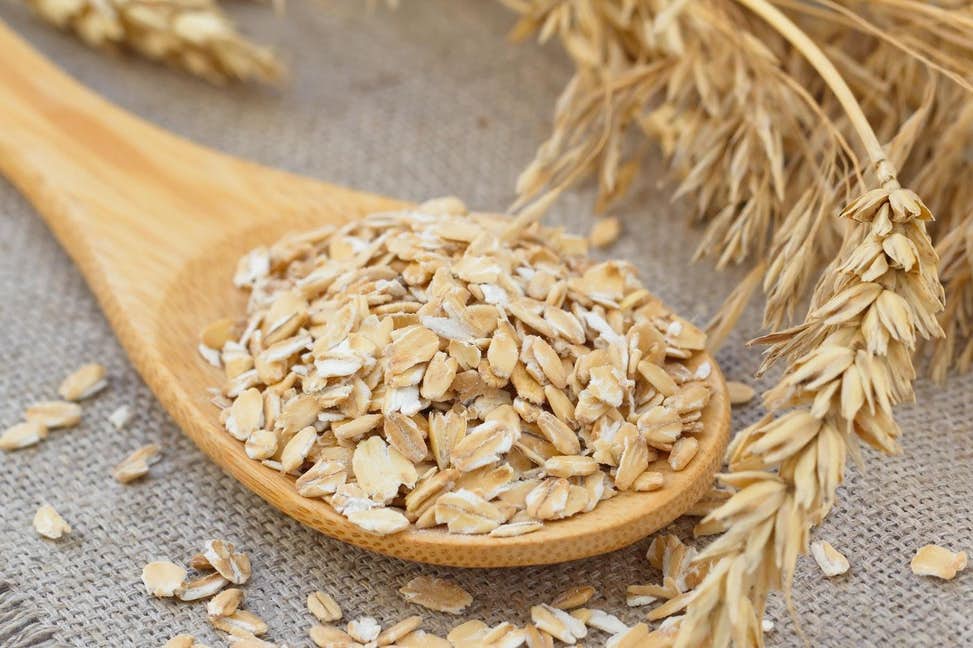
Oats
A type of cereal grain, oats are a favorite amongst mankind, especially when it comes to breakfast. They are commonly used to make oatmeal, flour, cakes, cookies, and cereal. Of all the cereal grains, oats have the most protein and the lowest carbohydrates.
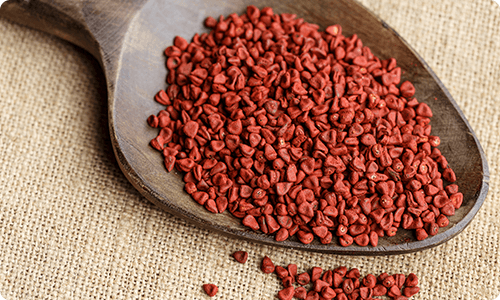
Annatto Seeds
Stemming from the achiote tree, annatto seeds are a colorful, healthy, and nutritious addition to the diet. Annatto seeds are grown in South and Central America, and they have been used for centuries as a natural food coloring and preservative, especially in Spanish rice.

Black Rice
Part of the grain family, this rice is the most nutritious of the rice varieties. Black rice was once reserved for Chinese royalty, but is gaining international recognition for its health benefits. Black rice is a great alternative to white rice because of its nutritious properties.
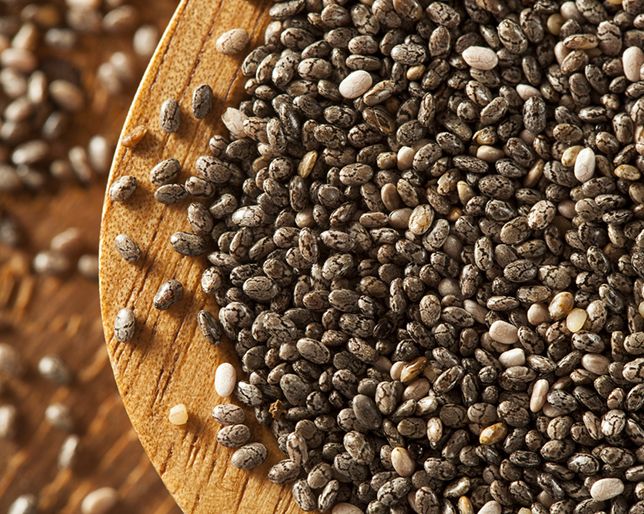
Chia Seeds
Also known as Salvia Hispanica, chia is most commonly grown for its seeds. Used in breads, muffins, and cereals, these tiny seeds are loaded with tons of nutritional properties and will make you feel full for longer.

Flax Seeds
Sometimes called linseeds, these small, tan seeds have been called the world’s first cultivated superfood. They have been used to make seasonings, flax oil, paper, and textile linens. The most notable trait of flax seed is that they are the richest sources of plant based omega-3-fatty acids in the world.
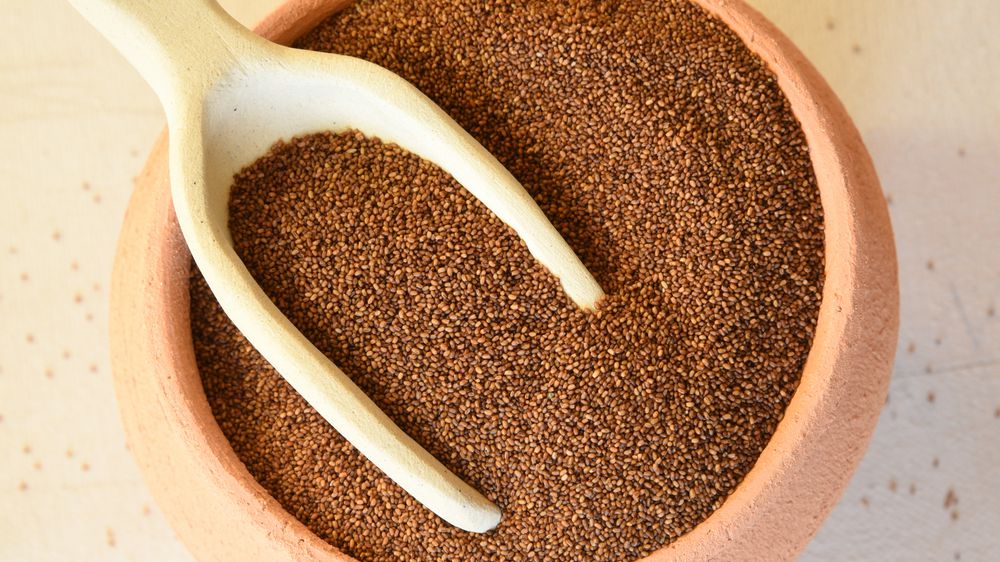
Teff
Largely grown in Ethiopia, India, and Australia, teff is used similarly in cooking to millet and quinoa. Because the seed is small, teff cooks much faster than other grains and can be used to make porridge and alcoholic beverages.

Sunflower Seeds
Known as the fruit of the sunflower, sunflower seeds are the edible seed of this daisy family flower. These seeds are most commonly eaten whole as a snack roasted, dusted, or raw.

Soyabeans
Also known as soya beans, these are a species of legumes native to East Asia and grown throughout the world. Food products from soy include vegetable protein, soy vegetable oil, soy milk, soy sauce and tofu. Soybeans are packed with dietary fiber, vitamin K, vitamin B, manganese, iron, phosphorus, and magnesium.
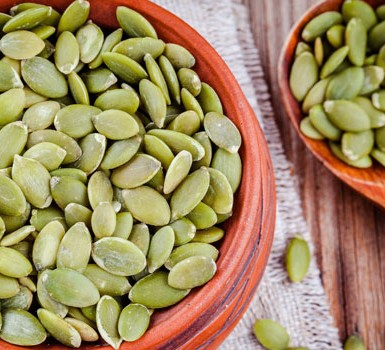
Pumpkin Seeds
Available year-round, these oval, edible seeds scooped from pumpkins have long been a valued source of nutrients. These seeds are a common ingredient in Mexican cuisine and can also be eaten as a snack raw or roasted.